
Improving CareThrough Shared Learning

The T1D Exchange Quality Improvement Collaborative (T1DX-QI) brings centers across the United States to learn from real-world data and improve care for people living with diabetes.

Clinicians holding puzzle pieces together to show collaboration
Identify Unmet Needs
Use Data Benchmarking
Refine Best Practices
Implement Evidence-Based Solutions

How the Collaborative Works

Centers contribute de-identified electronic health record data and participate in shared improvement initiatives. By learning from one another and measuring progress over time, centers refine practices that lead to better outcomes. 


The T1DX-QI connects research partners with one of the largest learning networks using standardized, evidence-based QI methods. Through shared, benchmarked clinical data and proven improvement strategies, partners can tap into real-world insight to inform development, access strategies, and implementation decisions. 

CGM Adoption

Technology Equity

Mental Health Screening

Social Determinants

Transition Planning

DKA Reduction

65+Endocrinology centers around the U.S.
~100,000People with T1D cared for
100+Peer-reviewed publications
250+Scientific conference presentations

Interviews

Meet the Experts

Advancing Equity, Technology Access, and Connection in Diabetes Care
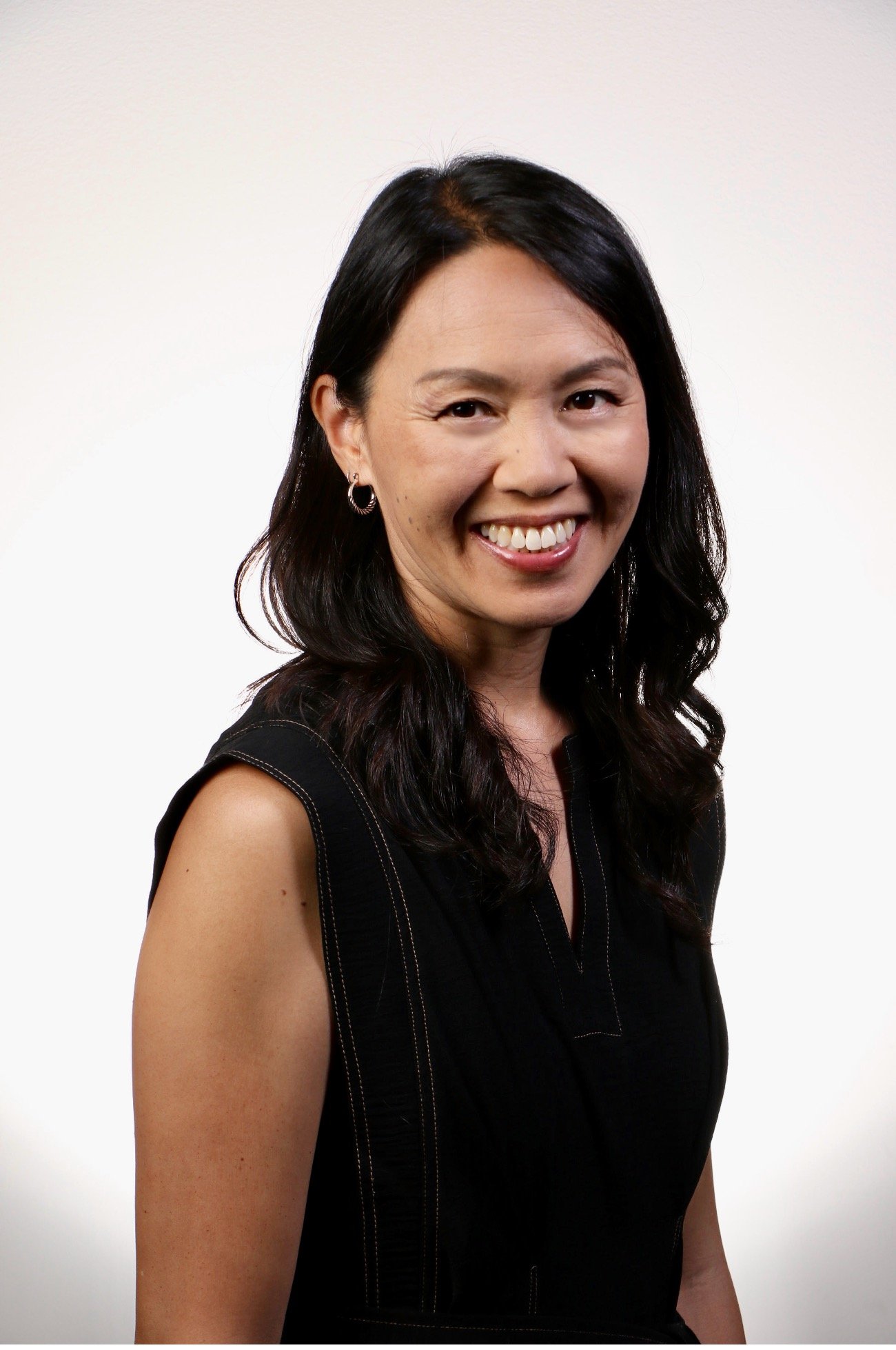
Jenise Wong, MD, PhD Jenise Wong, MD, PhD, is a pediatric endocrinologist at UCSF Benioff Children's Hospital.
Advancing Equity, Improving Outcomes, and Reducing the Burden of T1D
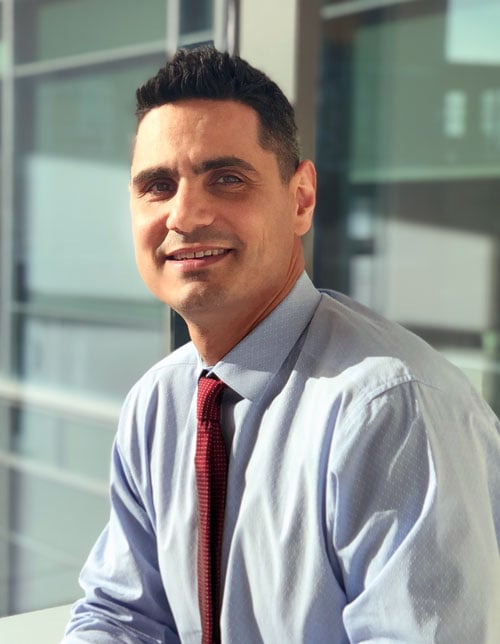
Nestoras Mathioudakis, MD, MHS is an endocrinologist and Associate Professor of Medicine at Johns Hopkins University School of Medicine in Baltimore, Maryland. 
Advancing Equity, Technology Access, and Connection in Diabetes Care
Jenise Wong, MD, PhD is a pediatric endocrinologist at UCSF Benioff Children's Hospital.
Advancing Equity, Technology Access, and Connection in Diabetes Care
Viral Shah, MD is a Professor of Medicine in the Division of Endocrinology and Metabolism and is the Director of Diabetes Clinical Research at the Center for Diabetes and Metabolic Diseases at Indiana University School of Medicine. 
1 / 4

Real-World Benefits

Because the work is grounded in real-world data and continuous learning, the T1DX-QI has contributed to measurable improvements in care delivery and outcomes. For example, centers have seen progress on key metrics, including:


  • Greater use of diabetes technologies
  • Reduced disparities between racial and ethnic groups
  • Improvements in measures related to overall care quality

Latest Publications